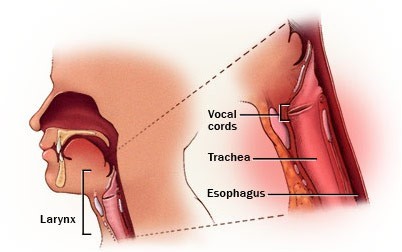
Voice Box Cancer, also known as Laryngeal Cancer, develops in the larynx (voice box), which is located in the throat and plays a crucial role in breathing, speaking, and swallowing. This type of cancer usually begins in the lining of the larynx and can affect different parts, including the vocal cords. The most common risk factors include tobacco use (smoking and chewing), excessive alcohol consumption, exposure to harmful chemicals, and HPV (Human Papillomavirus) infection. It is more commonly seen in men and individuals with long-term smoking habits. Early symptoms often include persistent hoarseness or change in voice, which is one of the most important warning signs. Other symptoms may include difficulty swallowing, a lump in the neck, chronic cough, throat pain, ear pain, and unexplained weight loss. Diagnosis involves clinical examination, laryngoscopy (a procedure to examine the voice box), biopsy, and imaging tests such as CT scan, MRI, or PET scan to determine the stage and spread of the cancer. Treatment depends on the stage and location of the cancer and may include surgery, radiation therapy, chemotherapy, or a combination of these approaches. In early stages, voice-preserving treatments are often possible. Early detection significantly improves the chances of successful treatment and helps preserve voice and normal throat function. Avoiding tobacco and alcohol and seeking medical attention for persistent voice changes are key preventive measures.