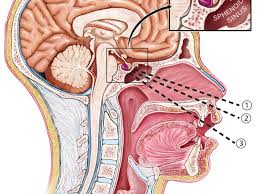
Skull Base Tumours are abnormal growths that develop at the base of the skull, an area that separates the brain from other facial structures. These tumours can be benign (non-cancerous) or malignant (cancerous) and are often complex due to their proximity to critical nerves, blood vessels, and the brain. These tumours may arise from different tissues such as bone, nerves, blood vessels, or glands. Common types include pituitary tumours, meningiomas, acoustic neuromas, and chordomas. Symptoms vary depending on the size and location of the tumour. Common signs include persistent headaches, vision problems, hearing loss, facial numbness or weakness, difficulty swallowing, and balance issues. In some cases, nasal blockage or discharge may also be present. Diagnosis typically involves advanced imaging techniques such as MRI and CT scans, along with endoscopic evaluation and biopsy when necessary. Early and accurate diagnosis is essential for effective treatment planning. Treatment depends on the type, size, and location of the tumour. It may include endoscopic skull base surgery, open surgery, radiation therapy, or a combination of these approaches. Minimally invasive endoscopic techniques are increasingly used to reduce complications and improve recovery. Due to the complexity of skull base tumours, a multidisciplinary approach involving ENT surgeons, neurosurgeons, and oncologists is often required to achieve the best outcomes. Early detection and specialized care are key to preserving neurological function and improving quality of life.